
Ever had that sinking feeling when you launch a campaign and see your metrics flatline? I remember the first time I poured effort into a brand campaign, only to realize I had no real way of knowing if it resonated with my audience. The numbers were there, but trust was missing. It’s like shouting into the void — frustrating and pointless. That lightbulb moment led me down a path to understand how analytics and branding can work together to build genuine trust. And let me tell you, it’s a game-changer.
Why Trust Is the Foundation of Digital Marketing Success
Trust isn’t just a nice-to-have; it’s the bedrock of meaningful customer relationships. Without it, even the most creative campaigns fall flat. In 2024, consumers are more skeptical than ever. They want brands that are transparent, consistent, and backed by data. But here’s the catch: many marketers make the mistake of focusing solely on flashy metrics or chasing vanity numbers. I’ve been guilty of this myself — thinking that high click-through rates meant trust was built. Turns out, trust needs a deeper, more data-driven approach.
Research shows that brands leveraging analytics to understand customer behavior see a 20% increase in trust and loyalty (source: DesignedgeWeb). The key is turning data into insights that inform your branding efforts, creating a cycle of trust and engagement.
Have You Faced This Common Trust-Building Pitfall?
Early in my career, I believed that more traffic equated to more trust. I focused on driving as many visitors as possible without analyzing whether they actually connected with my brand. Big mistake. It’s easy to get caught up in numbers and forget that trust is built when your audience feels understood and valued. That’s why I now emphasize the importance of aligning your analytics with your branding strategy — something I wish I had learned sooner. For more practical tips on how to do this, check out this guide.
So, if you’ve ever wondered how to turn raw numbers into authentic trust, you’re in the right place. Over the next sections, we’ll explore proven strategies that will help you harness data to enhance your brand’s credibility and forge stronger connections with your audience.
Link Data to Your Brand Message
Start by identifying key metrics that reflect trust, such as customer retention, repeat purchases, and engagement levels. For example, I once analyzed my email open rates and clicked through data to see which messages resonated most. This helped me craft a brand voice that felt authentic and trustworthy, ultimately increasing customer loyalty. Use tools like Google Analytics and other SEO analytics platforms to gather this data and align it with your brand values. To deepen your understanding, check out this comprehensive guide.
Segment Your Audience for Personalization
Break down your audience into specific segments based on behavior, demographics, and preferences. I once created separate email campaigns for first-time visitors and repeat customers, tailoring messaging to their familiarity with my brand. This personalization boosted trust because customers felt understood. Use analytics to identify these segments and develop targeted content that addresses their unique needs. Remember, a one-size-fits-all approach dilutes trust, so be precise. For actionable segmenting strategies, explore this resource.
Refine Your Messaging with Insights
Leverage insights from your analytics to refine your branding messages constantly. For instance, I noticed that certain headlines generated higher engagement, so I adjusted my content to emphasize those themes. This iterative process ensures your messaging consistently resonates, building trust over time. Use A/B testing to validate changes and ensure your brand’s voice remains authentic. For a detailed approach, visit this article.
Monitor and Adjust Regularly
Trust is a dynamic asset; it requires ongoing attention. Set up dashboards to track your key metrics daily or weekly. I once ignored declining engagement metrics and saw a dip in trust, which I reversed by tweaking my messaging based on real-time data. Regularly analyze your data to catch issues early and make informed adjustments. This proactive approach keeps your brand credible and trustworthy. To develop an effective monitoring routine, review this guide.
When it comes to enhancing brand trust through analytics, many marketers fall into a trap of oversimplification. A prevalent myth is that more data automatically leads to better trust. In reality, focusing solely on quantity can drown out the nuanced insights necessary for genuine connection. It’s not just about collecting data but interpreting it correctly to reflect your brand’s authentic voice and values.
For instance, some believe that high engagement metrics like click-through rates or social media likes directly correlate with trust. However, these are vanity metrics that can be manipulated or may not capture the deeper emotional bond customers feel. Instead, trust hinges on long-term indicators such as customer retention, repeat purchases, and authentic feedback. Relying only on surface-level metrics can lead you astray, creating a false sense of progress.
Another misconception is that data-driven branding is a one-time effort. Many assume that once they’ve optimized their analytics and messaging, the work is done. But trust is dynamic; it requires continuous monitoring and adjustment. As consumer behaviors evolve, so should your strategies. This is why regular review of your analytics, aligned with your brand message, is crucial to maintain and grow trust over time. For advanced marketers, understanding the subtle shifts in data patterns can be the difference between stagnation and real growth. A study by DesignedgeWeb emphasizes that consistent, iterative analysis fuels sustainable trust building.
Why do many brands struggle to turn data into trust?
The core issue often lies in misinterpreting data or ignoring the human element. Numbers alone can’t capture the emotional nuances that foster trust. For example, a spike in website traffic might look promising, but if those visitors don’t convert or engage meaningfully, the trust isn’t there. The key is integrating qualitative insights—like customer interviews or reviews—with quantitative data to get a complete picture. This holistic approach ensures that your branding efforts resonate authentically and foster long-term relationships.
Moreover, advanced analytics like cohort analysis, predictive modeling, and sentiment analysis reveal hidden patterns and customer sentiments that simple metrics overlook. These tools help you understand not just what is happening, but why it’s happening—allowing you to refine your brand strategy with precision. To master this, explore these proven strategies that translate complex data into actionable insights.
In summary, don’t fall into the trap of equating data volume with trust. Instead, focus on meaningful metrics, ongoing analysis, and human insights to craft authentic brand relationships. Have you ever fallen into this trap? Let me know in the comments.
Maintaining your analytics setup is crucial for sustained trust and meaningful insights. Over time, tools can become outdated, data can become fragmented, and strategies may lose their edge. That’s why I rely on a combination of specific equipment and software to ensure my analytics remain accurate, actionable, and aligned with my branding goals.
How do I keep my analytics engine running smoothly?
First, I invest in robust platforms like Google Analytics 4 (GA4), which offers a comprehensive view of user behavior across multiple channels. I personally prefer GA4 because it provides predictive insights and deeper integration with other Google tools. Regularly updating your tracking code and verifying data streams is essential — I set quarterly audits to ensure everything functions properly. For example, I use Tag Manager to manage tags efficiently, reducing errors and ensuring data consistency. This setup allows me to continuously monitor engagement metrics such as retention and repeat visits, which are vital for long-term trust building.
Beyond basic tools, I incorporate advanced analytics solutions like Hotjar or Crazy Egg for qualitative insights. These tools help me understand user behavior through heatmaps and session recordings, revealing why certain trust signals succeed or fail. I also leverage sentiment analysis tools like MonkeyLearn to interpret customer reviews and feedback, adding a human element to quantitative data. Combining these approaches ensures my insights are holistic and reliable, which is key for sustained branding efforts.
What future trends should you prepare for?
Looking ahead, I predict more emphasis on AI-driven analytics and automation. Machine learning algorithms will increasingly predict customer trust signals before they even manifest in traditional metrics. To stay ahead, I plan to invest in AI tools that can analyze vast datasets and alert me to shifts in customer sentiment or engagement patterns automatically. This proactive approach will help maintain trust even as consumer behaviors evolve rapidly.
How do I maintain trust-building analytics over time?
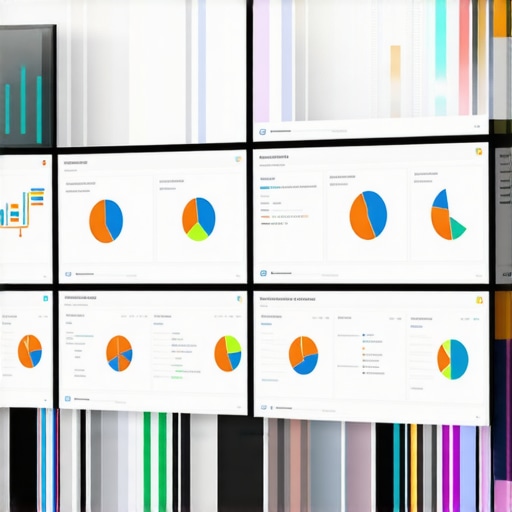
Consistency is king. I set up automated dashboards using platforms like Data Studio or Power BI, which compile data from all sources into a single, easy-to-interpret view. These dashboards are monitored daily, and I schedule monthly reviews to identify any anomalies or declines in trust-related metrics. Regular team syncs ensure everyone understands the insights and acts accordingly. For instance, if I notice a dip in repeat purchases, I adjust my messaging strategy based on recent data insights, keeping my brand trustworthy in the eyes of my audience.
To maximize your analytics effectiveness, I recommend exploring this detailed guide, which offers advanced strategies to refine your data-driven branding efforts. Remember, the key is not just collecting data but making it work for your long-term trust goals. Try setting up an integrated dashboard today and see how real-time insights can keep your branding efforts effective and trustworthy.
< >
>
The Hardest Lesson I Learned About Building Trust Through Analytics
One of my biggest lightbulb moments was realizing that more data doesn’t automatically translate to more trust. I used to chase every shiny metric, thinking high engagement meant genuine connection. But I learned the hard way that understanding your audience’s deeper needs requires qualitative insights and consistent analysis. Trust is fragile and must be nurtured with intentional, data-informed actions that reflect authentic brand values.
My Essential Toolkit for Cultivating Trust in 2024
Over the years, I’ve come to rely on a handful of tools that help me interpret data meaningfully. Google Analytics 4 is my cornerstone for tracking user behavior across channels, offering predictive insights that guide my strategy. I also incorporate qualitative tools like Hotjar and MonkeyLearn to understand the emotional tone behind customer feedback. These tools complement each other, giving me a full picture of how trust is forming or fading, and helping me act quickly to reinforce my brand’s credibility.
Don’t Be Afraid to Start Small and Iterate
As I close this chapter, I want to remind you that building trust through analytics isn’t about perfection from day one. It’s about taking small, consistent steps—analyzing your data regularly, listening to your audience, and refining your messaging accordingly. Trust is a long game, but with the right tools and mindset, you can turn raw data into authentic relationships that last. So, what’s one small change you can make today to better understand your audience and strengthen their trust in your brand? Let me know below.
