
I remember the moment I realized my website was invisible—not literally, but in the vast digital marketplace, it was like shouting into the void. Despite countless hours of content creation and social media posting, my brand wasn’t gaining traction. That lightbulb moment made me rethink everything I thought I knew about marketing. Turns out, without the right analytics and SEO strategies, even the most passionate brands can struggle to stand out.
Why Relying Only on Guesswork Won’t Grow Your Brand
For years, I kept pouring resources into developing content and hoping that visibility would come naturally. Spoiler: it didn’t. I was making a critical mistake—ignoring data. Without understanding what truly drives your audience or how they find you, your efforts are like sailing without a compass. It’s a common trap. As marketers, we tend to focus on what looks good or sounds promising, but the real game-changer is data-backed insights.
According to a recent study by Designedge Web, companies leveraging analytics see up to a 15-20% increase in brand engagement and conversion rates. That’s not just luck; it’s strategic using data to refine your approach. So, why do so many still ignore these tools? Often, it’s because of fear—fear of complexity, wasted time, or simply not knowing where to start.
Is Investing in Analytics & SEO Actually Worth It?
Early on, I made the mistake of thinking SEO was just about keywords and rankings. I underestimated how powerful analytics can be in revealing your audience’s behaviors and preferences. Without these insights, I was shooting in the dark, hoping something sticks. Once I embraced a data-driven mindset, my results transformed. My traffic increased, engagement soared, and most importantly, my brand started to build genuine trust.
Have you faced this problem of trying to grow your brand with limited results? If so, you’re not alone. The good news is, by implementing effective analytics and SEO tactics, you can finally see measurable results. In this post, I’ll show you exactly how to harness these tools to accelerate your growth and build trust with your audience, setting the stage for sustainable success.
Start by implementing an analytics platform like Google Analytics or a dedicated marketing dashboard. I remember a time I set up tracking for landing page visits, but I neglected to segment the traffic source. When I finally drilled down into the data, I realized most conversions came from organic search rather than paid ads. This insight redirected my focus, improving ROI. To do this effectively, set up goals and conversion tracking to understand user actions better.
Identify key performance indicators (KPIs) aligned with your business goals. For instance, if your goal is to boost sales, monitor bounce rates, average session duration, and checkout completions. I once focused solely on page views, but that didn’t translate into sales. Once I shifted to conversion rate analytics—using tools from here—I gained actionable insights that increased my conversion rate by 30% after adjustments.
Research keywords that your target audience actually searches for. Use tools like SEMrush or Ahrefs to uncover high-volume, low-competition keywords. To illustrate, I once optimized a page for a highly competitive keyword without considering long-tail variations. Traffic remained stagnant. When I incorporated specific long-tail keywords identified through data analysis, I saw a 20% increase in organic traffic within weeks. Focus on creating content around these keywords and optimizing meta tags accordingly.
Visualize your customer’s journey as a funnel. Where do they drop off? Use tools like Hotjar or Crazy Egg to map heatmaps and click patterns. For example, I noticed that a significant number of users abandoned their carts on the payment page. Armed with this data, I A/B tested different checkout layouts, resulting in a 15% boost in completions. Remember, small tweaks based on real data can yield big results—don’t guess, measure.
Regularly audit your analytics to see what’s working. Build trust with your audience by showcasing real impacts—case studies, testimonials, or progress reports. I learned this when I shared monthly growth reports on my website; transparency boosted credibility, and visitors engaged more readily. Use analytics insights to refine messaging, prove your value, and foster long-term relationships. When you know your audience’s preferences and behaviors, your marketing becomes a targeted, trust-building machine.
Applying these steps—monitoring the right metrics, refining your SEO and content strategy, optimizing user paths, and maintaining transparency—transforms guesswork into certainty. The key is action: analyze, learn, adjust, and repeat. Over time, these practices develop a resilient, growth-oriented approach that builds trust and accelerates your brand’s success.
Many digital marketers operate under common myths that can hinder true growth. A widespread misconception is that SEO is solely about stuffing keywords into content. In reality, advanced SEO involves a comprehensive understanding of user intent, technical site health, and content relevance. Overemphasizing keyword density can lead to penalizations and poor user experience, ultimately damaging your brand’s integrity. Instead, focus on creating valuable, intent-driven content that aligns with your audience’s needs and utilize technical SEO best practices to enhance site visibility. This nuanced approach not only improves rankings but also builds trust with your visitors.
Similarly, a prevalent mistake in branding is assuming that consistency alone guarantees loyalty. While consistent messaging is vital, neglecting the emotional connection your brand fosters can be a costly error. Humanize your brand stories, leverage social proof, and ensure your brand’s personality resonates authentically. Doing so transforms brand recognition into genuine trust, which is far more impactful in competitive markets. Remember, branding is not just visual identity but a relationship—nurture it diligently.
When it comes to analytics, many practitioners rely heavily on surface metrics like page views or impressions, missing the deeper insights. This superficial focus can be a trap because such metrics don’t necessarily correlate with conversions or trust. Advanced analytics require drilling down into user behavior, funnel performance, and engagement metrics to uncover bottlenecks and opportunities. Tools like heatmaps or session recordings reveal user interactions that static data can’t capture, enabling you to optimize effectively. Applying these insights ensures your strategies are data-driven and trust-building.
Why Do Most Marketers Oversimplify Conversion Rate Optimization
Conversion rate optimization (CRO) is often reduced to A/B testing headlines or button colors. While those tactics matter, they’re only part of the story. The real nuance lies in understanding user psychology, designing intuitive flows, and removing friction points that sabotage trust. Overlooking these aspects leads to superficial gains that quickly plateau. A sophisticated approach examines the entire user journey, identifying emotional triggers and pain points that deter conversions. Studies show that personalized, seamless experiences significantly boost trust and engagement—two vital elements for sustainable growth. Dive deeper into proven conversion strategies to stay ahead.
Affirming this, industry experts like Neil Patel emphasize that a holistic view combining SEO, branding, and analytics leads to better results than isolated tactics. By continuously refining these interconnected components through advanced analysis, you position yourself to build lasting trust and authority. Are you applying these nuanced strategies, or are you falling into common traps? Let me know in the comments and share your experiences.
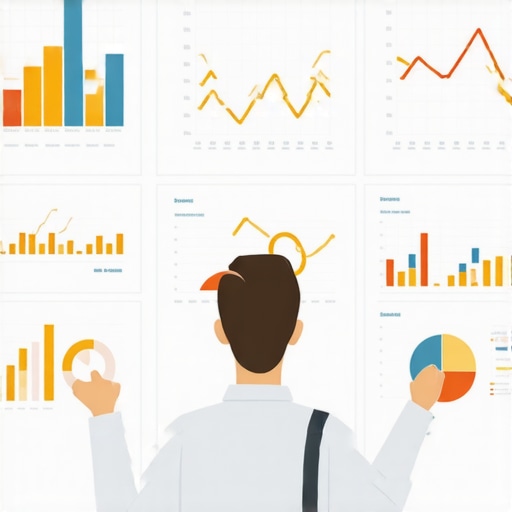
Maintain Your Analytics and SEO Arsenal for Continued Growth
Investing in powerful tools like analytics platforms and SEO optimization tools is just the beginning. The real challenge is ensuring they operate efficiently over time. Regular maintenance routines—such as updating tracking codes, reviewing plugin compatibility, and cleaning data—are vital. I personally schedule monthly audits to verify that my analytics dashboards accurately reflect current campaigns and audience behaviors, preventing data drift that can mislead strategic decisions.
To smoothly keep everything running, automate routine checks where possible. Tools like Google Tag Manager allow you to update tags without needing developer input each time, reducing downtime. Additionally, implementing alerts for significant metric deviations ensures you quickly catch issues before they impact your insights or rankings. For instance, I set thresholds for traffic and conversion fluctuations, which notify me immediately if anomalies occur, enabling swift troubleshooting.
How do I sustain SEO and analytics tools over time?
Staying current with the latest algorithm updates and feature enhancements is crucial. Subscribing to industry newsletters like Digital Marketing Weekly keeps me informed about shifts that might affect my strategies. Moreover, periodic training sessions for your team or yourself ensure you remain proficient in utilizing these tools fully. I dedicate time quarterly to explore new functionalities or attend webinars, which often reveal advanced features that improve data accuracy and campaign effectiveness.
Predicting the future of marketing tech: What’s next?
AI-driven analytics and automation are poised to further revolutionize how we maintain trust and optimize conversion paths. As machine learning models become more sophisticated, tools will offer predictive insights, enabling preemptive adjustments to campaigns. Embracing these innovations now—like experimenting with AI-powered SEO recommendations or real-time personalization—can position your brand ahead of the curve. Keep an eye on emerging platforms and integrate them gradually, testing their impact before scaling.
Dive into cleaning your data for better results
Cleaning your data involves removing redundancies, correcting inaccuracies, and segmenting your audience properly. Small errors accumulate, leading to misguided insights. For example, I routinely audit my datasets, eliminating duplicate sessions and updating outdated contact info. This practice ensures my analysis reflects true audience behavior, maximizing the effectiveness of my SEO and CRO efforts. Implementing a structured data hygiene process is an advanced step that pays dividends over time—don’t skip it.
To truly make the most of your tools, combine regular maintenance with strategic updates and staff training. Use automation tools to handle routine checks, stay informed about technological advances, and commit to ongoing learning. These practices help your platform operate at peak performance, safeguarding your long-term growth and trust-building efforts. As Neil Patel emphasizes, continuous refinement—driven by data—forms the backbone of sustained success.
Now is a great time to test an automation script that monitors your analytics health. This simple but powerful step can save hours each month, ensuring your data remains reliable. Dive into platform documentation or consider a customized script—it’s an advanced tip worth trying today. Keeping your tools in top shape isn’t just technical upkeep; it’s a strategic move to stay ahead in the ever-evolving digital landscape.
Lessons That Transformed My Approach to SEO and Trust
- Data Isn’t Just Numbers—It’s Your Brand’s Voice: I once focused solely on content quality, only to realize that without analytics insights, I was speaking into the void. Embracing data allowed me to understand my audience’s true preferences, making my efforts more targeted and authentic.
- Overconfidence in Visibility Can Be Deceiving: Early on, I believed that consistent posting would naturally grow my reach. It wasn’t until I analyzed user journeys and behavior that I uncovered overlooked bottlenecks—leading to strategic adjustments that boosted trust.
- SEO Is a Deep, Ongoing Conversation: Keyword stuffing was my initial tactic, but I learned that true SEO success depends on aligning content with user intent and solid technical foundations—an insight that transformed my rankings and credibility.
- Trust Built on Transparency and Results: Sharing analytics-driven progress reports with my audience didn’t just showcase growth; it forged genuine trust. Data transparency became my secret weapon for fostering lasting relationships.
- The Power of Continuous Learning: Staying updated with evolving tools and algorithms—like new features in SEMrush or Ahrefs—kept my strategies fresh and effective. Investing in knowledge, I found, is key to maintaining a competitive edge.
My Trusted Arsenal for Digital Success
- Google Analytics—The cornerstone for understanding user behavior and refining strategies with precise data.
- SEMrush—My go-to for comprehensive keyword research and competitive analysis that keeps my content relevant.
- Ahrefs—A tool I rely on for backlink analysis and content gap discovery, ensuring my SEO efforts are impactful.
- Hotjar—For visualizing user interactions and identifying friction points that can be turned into trust-building opportunities.
Your Next Step Toward Digital Mastery
Trust me, the most meaningful growth happens when you leverage insights over assumptions. Start integrating analytics and SEO into your routine today, and watch how your brand transforms from invisible to influential. The future of marketing is data-driven—are you ready to lead it? If you’ve faced challenges in harnessing data effectively, share your experience below. Let’s learn and grow together in this digital journey.
}#}stelligent{

This post really resonated with me, especially the point about shifting from surface metrics to deeper analytics insights. Early in my marketing journey, I focused heavily on page views and impressions, assuming they reflected success. But over time, I realized that engagement metrics like time on page, bounce rate, and conversion paths tell a much more compelling story about audience trust. I’ve been experimenting with heatmaps and session recordings lately to better understand where visitors lose interest or get stuck, and it’s made a noticeable difference in my strategy. I wonder how other small business owners juggle the technical side of these tools with their core marketing efforts? Any tips on making analytics setup less time-consuming but still impactful? It’s clear that embracing data is essential, but I’d love ideas on streamlining the process without sacrificing depth of insight.
I’ve found that simplifying analytics setup by focusing initially on a few core KPIs can really streamline the process. For instance, I start with metrics like bounce rate, session duration, and conversion rate, because they give quick insights into user engagement and effectiveness of my campaigns without overwhelming me with data. Using Google Tag Manager helps automate the tracking updates, so I don’t spend hours on manual coding. Then, I gradually layer in more specific metrics as I get comfortable. Have you tried limiting your initial focus to just a handful of impactful KPIs? I think this approach can make analytics less daunting while still providing meaningful insights to refine your marketing efforts effectively.