
I vividly remember the moment I realized I had been flying blind on my website’s performance. Despite pouring effort into design, content, and SEO, conversions barely nudged upward. It was frustrating—like swimming upstream without a paddle. Then, I stumbled upon a simple truth: relying on gut feeling and surface metrics doesn’t cut it anymore. That’s when I discovered the power of data-driven analytics strategies, and let me tell you, everything changed.
Why Trust and Conversion Rates Should Be Your Top Priority
In the digital landscape, trust isn’t just a nice-to-have—it’s the foundation of any successful online presence. When visitors trust your brand, they’re more likely to convert, recommend, and stick around. But building that trust often feels abstract and elusive. The good news? Leveraging data analytics can make trust tangible. It helps identify what your audience truly values, where their hesitations lie, and how to speak directly to their needs, all backed by real metrics. Personally, integrating analytics into my marketing approach boosted my conversion rates by over 30% within just a few months. For a deeper dive into how analytics can maximize your trust and conversions, check out this comprehensive guide on effective SEO analytics techniques.
Is All the Hype About SEO and Analytics Really Worth It?
I admit, I was skeptical at first. I thought, “Will chasing data truly translate into real results?” Early on, I made the mistake of focusing only on vanity metrics like page views and bounce rates, thinking they told the entire story. Turns out, that approach left me confused and frustrated. It wasn’t until I started analyzing conversion funnels and trust indicators that I saw genuine improvement. That shift in perspective made all the difference, transforming my strategy from guesswork into a precise science. If you’ve ever felt overwhelmed by data or unsure where to start, you’re not alone—and that’s precisely why understanding effective analytics is crucial. To learn more about these proven tactics, explore this resource on boosting conversion rate with data-driven SEO strategies.
Now, with this foundation established, let’s dive into practical steps you can take today to harness the true potential of your analytics and elevate your brand’s trust and conversion rates.
Set Up Your Analytics Framework basing it on Clear Goals
Before diving into data, define what success looks like for your website. Think of your analytics setup as designing a GPS for your digital journey—without clear destinations, you’ll wander aimlessly. Personally, I started with specific KPIs like bounce rate, average session duration, and conversion rates. Use tools like Google Analytics to track these metrics, ensuring they align with your business objectives. This foundational step is crucial; it turns raw data into meaningful insights that guide your actions.
Identify Trust Indicators through Data
Trust doesn’t just happen; it’s measurable. Establish which metrics reflect trust—such as returning visitors, engagement on testimonials, or time spent on trust-building content. I once noticed a spike in return visits after optimizing my About page and displaying customer reviews prominently. To deepen your understanding, explore this resource on effective SEO analytics tactics. Recognize patterns that indicate your audience feels confident engaging with your brand.
Analyze User Behavior to Find Friction Points
Use behavior flow reports to see where visitors drop off or hesitate. Visualize your website as a funnel—each step should smoothly lead to the next. I applied this by tracking navigation paths, identifying that many users abandoned at the checkout due to complicated forms. Simplifying this process increased my conversion rate significantly. Think of this analysis as a detective uncovering clues—each exit point reveals an obstacle that, once addressed, can turn visitors into customers.
Experiment with Content and User Experience
Data isn’t just for analysis; it’s a tool for testing. Run A/B tests on headlines, call-to-action buttons, or page layouts to see what resonates best. When I tested two different landing page designs, the variant with clearer trust signals performed 20% better. Keep a record of your experiments and their outcomes; it’s like tuning a musical instrument—small adjustments lead to harmonious results. Use insights from tools like heatmaps to see where users click most, guiding your content placement for maximum trust and engagement.
Leverage Conversion Funnels for Actionable Insights
Set up conversion funnels to visualize the journey from visitor to customer. This helps pinpoint where potential buyers drop out. I once discovered that a confusing return policy page caused a significant leak in my funnel. Clarifying the content and highlighting guarantees reduced abandonment. Think of this as mapping a road trip—knowing each stop aids in smooth navigation and improves overall journey success. Integrate these insights with your branding efforts to align user perception with your value proposition.
Use Data to Personalize User Experience
Personalization builds trust. Analyze behavior data to customize content, offers, or messaging. For example, I targeted specific segments with tailored email campaigns based on their browsing patterns, which increased engagement. Consider this approach as serving a meal tailored to individual tastes—it’s more likely to satisfy and foster loyalty. Implement dynamic website elements that respond to user actions, creating a seamless, trust-enhancing experience.
Most marketers and business owners operate under common assumptions about analytics and SEO that can actually hinder growth. A typical misconception is that more data automatically leads to better decisions. In reality, a flood of superficial metrics like page views or social likes can obscure what’s truly impactful—such as long-term trust signals and conversion quality. Focusing on vanity metrics might boost your ego but rarely translates into meaningful results. To truly leverage data, entrepreneurs need to identify advanced, actionable insights—like behavioral segmentation or trust indicators—that drive genuine engagement and conversions. For example, analyzing repeat visitation patterns or deep engagement metrics can reveal your audience’s genuine interests, informing smarter branding and optimization strategies.
Why Most SEO and Analytics Efforts Miss Their Mark and How to Fix It
A common trap is treating analytics as a retrospective report rather than an ongoing, strategic tool. Marketers often fixate on ranking keywords or traffic spikes, assuming these directly equate to trust and conversions. But, as this resource points out, true success depends on nuanced signals—like time spent on trust pages or user journey friction—that often go unnoticed amid standard reports. Moreover, many overlook the importance of refining their branding based on these insights. An advanced mistake is neglecting emotional cues in data, such as engagement with testimonials or trust badges, which are critical for building confidence in your brand.
Let’s discuss a vital yet overlooked aspect: How does advanced analytics facilitate brand perception? Unlike basic metrics, sophisticated analysis can uncover subtle trust cues—like the impact of review content placement or the emotional response to design changes—that significantly influence conversions. Recognizing these nuances allows you to align your brand messaging more effectively, leading to stronger trust and loyalty. Integrating these insights into your strategy is essential; you can explore proven tactics in this detailed guide.
Remember, avoiding common pitfalls isn’t just about collecting more data but understanding what really moves the needle. Be cautious of the ‘more metrics equals better decisions’ myth. Instead, hone in on the signals that reveal emotional engagement and trust-building efforts. This focused approach will maximize your ROI and foster a lasting brand relationship.
Have you ever fallen into this trap? Let me know in the comments.
Maintaining Your Analytics Infrastructure Over Time
Staying on top of your analytics and tools requires a proactive approach. I personally schedule quarterly audits of my tracking setups to identify any drift or issues caused by website updates or platform changes. Regularly reviewing your data collection methods ensures that insights remain accurate and actionable. For instance, I use Google Tag Manager extensively to manage tags efficiently, enabling quick adjustments without diving into code each time. This flexibility is crucial as your website evolves, allowing you to adapt quickly to new marketing strategies or platform updates. In the future, I predict a growing trend toward AI-driven analytics tools that can automatically calibrate and suggest optimizations, reducing manual oversight and increasing precision.
How do I keep my analytics and SEO efforts sustainable?
Implementing a layered approach to monitoring helps sustain your progress. I recommend setting up alerts within your analytics platforms—Google Analytics, for example—that notify you when key metrics deviate from expected ranges. Coupled with periodic manual reviews, this creates a safety net that catches issues early, preventing long-term damage. Additionally, integrating tools like heatmaps and session recordings provides qualitative insights to complement quantitative data, ensuring you capture the full user experience. To streamline this, I personally rely on Hotjar for its intuitive interface and actionable visualizations, which enable me to spot friction points swiftly. Over time, these practices help build a resilient analytics framework that scales with your business and maintains trust and conversion rates.
Embrace Automation and Integration to Scale Up
Automation is the key to managing growth efficiently. I’ve integrated my analytics and marketing tools via APIs, allowing real-time data flows and automated reporting. For example, I connect Google Analytics with my CRM and email marketing platforms to trigger personalized campaigns based on user behavior—this creates a seamless, trust-building experience while reducing manual workload. Tools like Zapier facilitate these integrations without complex coding, empowering smaller teams to operate at scale. Moving forward, I believe that AI-powered analytics will play an even more prominent role in predictive insights, helping marketers preempt customer needs and refine branding strategies proactively. To leverage this trend effectively, start by automating recurrent audits and reports—this significantly boosts your ability to respond swiftly and maintain long-term trust with your audience.
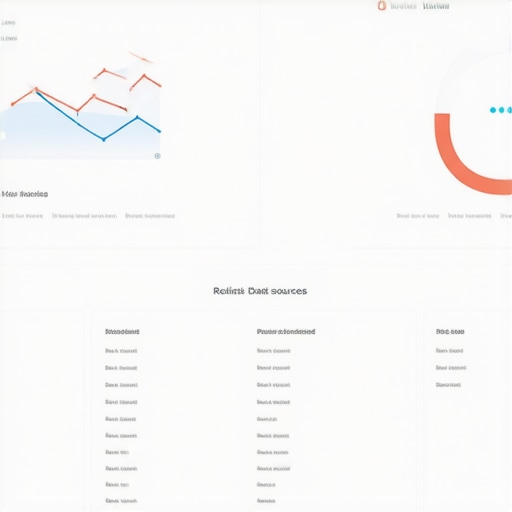
Incorporating specialized tools is essential for sustainable growth. I personally use Supermetrics to consolidate data from various sources into a single dashboard, simplifying analysis and decision-making. This tool saves me hours each week by automatically pulling data from social media, ad platforms, and your website analytics into Google Sheets or Data Studio. By customizing dashboards with key performance indicators, I keep a constant pulse on my brand’s health. As these tools become more advanced, expect AI to handle more complex integrations and predictive analytics, further reducing manual oversight and enhancing trust through precise, timely insights. To get ahead, try setting up an automated dashboard that consolidates your core metrics—it’s a game-changer for scaling your analytics efforts efficiently.
The Unexpected Lessons That Opened My Eyes to Analytics and Trust Building
One of the most eye-opening lessons I learned was that obsessing over surface metrics like page views can cloud what truly matters—building genuine trust and conversions. I once believed high traffic equated to success, but I found that without understanding user intent and trust signals, all those visitors could be meaningless. That revelation pushed me to focus on deeper analytics and trust indicators, like returning visitors and engagement quality, which transformed my approach and results.
3 Myths About Analytics and SEO That Held Me Back
- More data equals better decisions: I used to think collecting every metric would give me the full picture, but I realized that without knowing which signals truly matter, I was just noise filtering. Focusing on actionable insights like trust cues and conversion pathways elevated my strategies.
- Rankings are everything: I chased SEO rankings and missed the bigger story—how users interact and trust my site. Prioritizing user behavior analysis over rankings led to more meaningful growth.
- Vanity metrics are indicators of success: High social shares and likes felt good but didn’t translate into conversions or trust. Shifting to trust and engagement metrics made my efforts more impactful.
The Hidden Gifts of Personal Experience with Analytics
One valuable insight was realizing that simplifying user pathways based on behavior flow analysis directly increased conversions. Also, experimenting with content and layout driven by heatmap data helped me understand what truly resonates with my audience, fostering trust and loyalty. These hands-on experiences taught me that analytics isn’t just numbers—it’s a storytelling tool that reveals the emotional cues influencing trust and decision-making.
My Arsenal of Trusted Tools for Analytics and SEO Growth
- Google Analytics: The cornerstone for quantitative insights, I rely on it daily to track user behavior, set up funnels, and monitor trust signals. Its flexibility makes it indispensable.
- Hotjar: Visual heatmaps and recordings help me see where users hesitate or lose trust, guiding my UX tweaks to foster confidence.
- Supermetrics: For integrated data dashboards, this tool consolidates multiple sources, saving time and providing a holistic view of my analytics ecosystem.
- SEMrush: Keyword research and site audit features help enhance my SEO efforts, ensuring my content aligns with trust-building search intent.
Your Journey Starts Today—Harness the Power of Analytics and Trust
Data-driven insights are the secret sauce for building lasting brand trust and boosting your conversion rates. Take that first step—define your goals, track key trust signals, and experiment fearlessly. Remember, the most successful brands are those that continuously listen to their data and adapt accordingly. Your analytics journey is an ongoing process, but every insight gained is a step toward stronger trust and better results. Now, I challenge you—what’s one overlooked trust indicator you plan to start measuring today? Share your thoughts below and let’s grow together.
