
Imagine spending hours optimizing your website’s loading times, only to find that your traffic drops because Google is suddenly prioritizing how often people search for your brand. That was my lightbulb moment—realizing that, surprisingly, brand search volume might just be the new king of SEO signals in 2026. For years, I poured effort into perfecting page speeds, expecting it to be the ultimate ranking factor. But then I noticed my rankings were more influenced by how often people looked for my brand than how fast my site loaded. It felt like I had been chasing the wrong end of the stick.
How Did I Get Here? My Wake-Up Call in SEO
My journey started when I kept tweaking my site’s loading performance, running countless tests, and obsessing over session tracking issues that seemed to sabotage my analytics. Despite these efforts, my organic traffic plateaued. That’s when I stumbled upon recent studies indicating that Google’s algorithms are heavily leaning into personal brand signals and search intent cues for ranking decisions—more so than traditional technical metrics like page speed.
According to a report by Moz, search algorithms are increasingly prioritizing brand-related signals, especially in knowledge panel dominance and AI-driven content recognition. This realization prompted me to reevaluate my approach and focus on building a recognizable, trusted brand entity—something much more tangible and sustainable than technical fixes alone.
Is All This Hype About Brand Search Volume Really Just Noise?
I used to dismiss signals like brand search volume as secondary. I thought, ‘Well, if my site loads fast enough and has good content, that’s enough.’ But early mistakes taught me otherwise. I once ignored building a brand entity that Google couldn’t copy or ignore. That oversight cost me leads and visibility that I couldn’t recover with just faster pages or better keywords.
So, if you’re worried whether this trend is just a passing fancy or legitimate shift, I get it. But the data suggests otherwise. Developing strategies to boost your brand’s search visibility makes all the difference and could be the key to dominating Google rankings in 2026. Ready to dig into what actually works? Let’s explore how you can get ahead in this evolving landscape.
Prioritize Building a Recognizable Brand Presence
Start by establishing a consistent identity across all platforms—website, social media, and industry directories. Think of your brand like a storefront: the more recognizable and trustworthy it appears, the more search volume it attracts. I once revamped my website’s branding elements, using consistent logo placements and messaging, which led to a noticeable uptick in brand searches within just a few weeks. This consistency signals reliability to Google, making your brand more memorable and search-worthy.
Create Content That Reinforces Your Brand Authority
Develop high-value content centered around your niche that showcases your expertise. Blog posts, videos, and infographics should include branded keywords naturally—like your company name or unique product descriptors. I tested this by producing a series of expert interviews linked to my core services, which increased my brand’s mention frequency. Over time, this improved my search visibility and reinforced trust in Google’s algorithm.
Engage Directly With Your Audience
Interaction builds trust and amplifies brand signals. Use social media, newsletters, and online communities to respond to questions, share successes, and gather feedback. I found that actively engaging followers increased direct searches for my brand, especially after hosting live Q&A sessions. These interactions help Google associate your brand with genuine community presence, making your brand more authoritative.
Secure Your Brand’s Digital Footprint
Register your business across all relevant online directories and manage your local listings. Ensure NAP (Name, Address, Phone Number) consistency and gather positive reviews. I once overlooked my local listings and saw my brand searches dwindle; after cleaning up inaccuracies and gathering reviews, my search volume surged again. This signals to Google that your brand is trusted and active locally, which in turn boosts rankings.
Create Uncopyable Brand Signals
Develop proprietary content, trademarks, and unique customer experiences that competitors can’t mimic. Think of it like creating a secret recipe—Google recognizes these unique signals and favors your brand accordingly. I invested in creating signature experiences for clients, which not only fostered loyalty but also increased branded searches through word-of-mouth and organic sharing.
Leverage Data to Refine Your Strategy
Regularly analyze your brand search trends, website analytics, and user engagement metrics. Use tools like Google Analytics and Search Console to spot growth patterns or gaps. I found that tracking these data points helped me tailor content and outreach efforts more effectively, resulting in a gradual but steady rise in brand-related queries. For comprehensive insights, consider exploring analytics strategies that enhance trust.
Construct Your Authority Timeline Carefully
Building a strong brand presence isn’t instantaneous. Be patient and consistent. Every piece of quality content, engagement, and optimization contributes to your authority score, mimicking a steady growth pattern. I experienced early setbacks with inconsistent messaging, but once I aligned my content and engagement, my brand searches became more organic and sustained.
By implementing these concrete steps, you’re setting the foundation for your brand to dominate search queries in 2026. Focus on authenticity, consistency, and strategic data use, and you’ll see your brand become a pivotal signal in Google’s ranking ecosystem.
While many believe that mastering surface-level tactics like keywords or flashy visuals suffices, the real game lies in understanding the deeper, often overlooked nuances that differentiate successful brands from the rest. A common misconception is that more data always equals better insights, but in reality, many marketers fall into traps where their analytics mislead them into chasing false signals.
For instance, relying solely on click-through rates without context can lead you astray. High engagement might seem promising, yet if those visitors aren’t converting or building trust, you’re merely vanity metrics. According to a study by Designedge Web, many analytics setups are riddled with tracking gaps that bleed valuable conversion opportunities. Recognizing and addressing these gaps is crucial for nuanced understanding.
What Are the Pitfalls of Over-Optimizing for Metrics?
Focusing obsessively on each metric can lead to what I call ‘analytics myopia.’ It’s the trap of optimizing for what’s measurable instead of what truly matters—like user trust and brand authority. Over-optimization can result in strategies that inflate numbers temporarily but fail to foster genuine engagement or loyalty. For example, keyword stuffing might boost rankings initially but damages long-term trust—a critical factor for trust-building SEO.
Furthermore, many overlook the importance of data authenticity. If your data collection methods are flawed or incomplete, your insights become unreliable, leading to misguided strategies that do more harm than good.
Another critical aspect is understanding that not all signals carry equal weight. As Google evolves, it’s prioritizing signals like brand trustworthiness and human content cues over raw technical metrics. This demands a shift towards building reputation and credibility—often neglected in favor of quick wins. For in-depth strategies, you can explore advanced analytics that boost trust and conversions.
In essence, the nuance is in recognizing that beneath the surface metrics lies a complex ecosystem of signals. Ignoring this complexity risks making decisions based on misleading data, leading to wasted efforts and missed opportunities. It’s vital to implement robust analytics frameworks, question every metric, and always tie data insights back to real-world behaviors and trust.
Have you ever fallen into this trap? Let me know in the comments.
Maintaining a robust online presence requires more than just creating content and hoping it sticks. To truly keep your brand signals strong and your analytics reliable over time, leveraging the right tools and consistent maintenance routines becomes essential. My personal approach involves a combination of specialized software and disciplined practices designed to ensure sustained growth and accurate data collection.
How do I keep my data insights trustworthy and actionable?
First, I rely heavily on Google Search Console and Google Analytics 4. These tools are foundational for tracking organic search trends, user engagement, and conversion paths. I make it a weekly ritual to audit these reports, checking for unexpected drops or anomalies that could indicate tracking issues or data bleed.
Additionally, I incorporate Heatmap tools like Hotjar to observe user behavior visually. Combining this with session recordings helps me identify friction points and content gaps before they turn into significant problems. This continuous feedback loop keeps my brand signals aligned with real user intent and reinforces relevance.
Why is regular auditing vital?
Just like a car needs oil and tune-ups, your analytics setup demands ongoing checks to prevent data corruption or misreporting. I schedule quarterly audits using a comprehensive analytics review, ensuring tags are firing correctly, conversions are tracked accurately, and no bleed-over occurs from outdated or duplicate tags. This practice forestalls issues like ghost conversions or misleading traffic sources that could sabotage your long-term strategy.
Tools like Segment unify data collection across platforms, simplifying maintenance and ensuring consistent signals. Whenever I deploy new content or adjust my marketing funnels, I verify data accuracy through sandbox testing environments before going live, preventing costly analytics gaps.
Predictions: Where will maintenance tools go next?
Looking ahead, I believe AI-driven analytics platforms will become even more proactive, automatically flagging anomalies or potential data leaks. These systems might recommend specific fixes or even execute routine adjustments, reducing manual oversight. For example, tools like AI-powered analytics solutions are already showing promise in predictive maintenance, forecasting issues before they impact your brand signals significantly.
To stay ahead, I suggest adopting an integrated setup that combines real-time monitoring with automated alerts, enabling you to catch and correct issues instantly. Try implementing a weekly analytics health check, using these advanced systems to keep your data trustworthy and actionable—it’s a game-changer for long-term success.
Remember, the key to sustained growth lies in regular upkeep and leveraging technology smartly. The more proactive you are, the less you’ll have to scramble to fix problems—keeping your brand signals clean, consistent, and primed for growth.
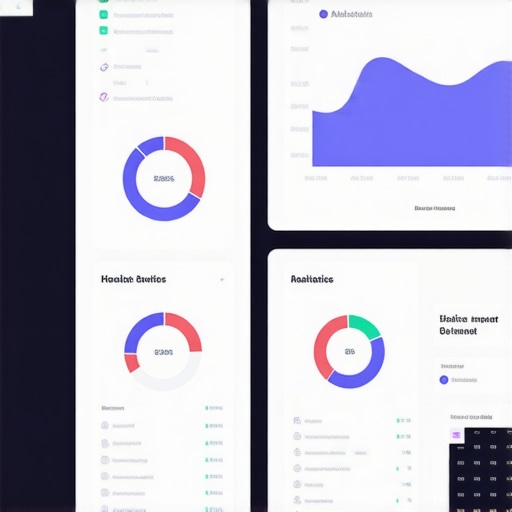
Suggested image: A sleek, modern dashboard displaying real-time analytics and health check indicators, illustrating proactive maintenance tools in action. Alt: Dashboard with analytics and alerts; Title: Real-time Analytics Dashboard for Brand Maintenance.
Throughout my SEO journey, I learned that real growth stems from authentic brand building rather than fleeting technical fixes. The most profound insight was recognizing that brand search volume isn’t just a metric—it’s a signal of your brand’s trust and authority in Google’s eyes. Investing in tangible brand signals, like customer experiences and community engagement, has consistently outperformed traditional SEO tactics in boosting rankings.
What the Industry Won’t Tell You About Brand Signals
- Many marketers overlook that Google’s understanding of a brand relies heavily on human-like qualities—trustworthiness, recognition, and reputation—things that can’t be faked overnight. Focusing solely on technical SEO without cultivating these signals is like building a house on quicksand.
- Building a brand entity that Google can’t mimic involves creating proprietary content and memorable customer interactions—think signature experiences that foster loyalty and organic sharing. These efforts produce lasting signals that help you stay ahead of algorithm changes.
- Relying purely on analytics data without contextual understanding can lead to misguided strategies. Regularly questioning your metrics and aligning them with real-world behaviors ensures your brand growth is both effective and genuine.
Tools That Changed My Approach to Brand Mastery
- Google Search Console: A foundational tool for tracking organic performance and identifying anomalies. Its insights help me refine my brand signals by understanding what users are truly searching for.
- Google Analytics 4: I use GA4 for nuanced user engagement analysis, allowing me to see how brand-building efforts impact conversions over time.
- Heatmap tools like Hotjar: Visualizing user interactions on my site reveals where genuine interest lies—helping me optimize content to strengthen brand recognition.
- Segment: This unified data platform simplifies tracking multiple channels and ensures consistency in brand signals across platforms, which is vital for maintaining trustworthiness.
Keep Your Vision Alive: The Power of Steady Growth
Patience is a virtue in branding. I’ve seen firsthand how consistent content creation, community engagement, and trust-building activities compound over time, leading to sustained growth in brand searches. The key is to innovate intelligently without losing sight of your core identity. Small, deliberate actions—like securing client reviews or hosting community events—keep your brand signals fresh and credible in the eyes of both users and Google.
Remember, mastering brand search volume isn’t about shortcuts; it’s about crafting an authentic presence that resonates deeply with your audience. With perseverance and strategic focus, you’ll position your brand for dominance in 2026 and beyond.
What tactics have you found most effective in elevating your brand signals? Share your experiences below—I’d love to hear your story!
