
Ever sat staring at your analytics dashboard, wondering why some visits spike inexplicably, only to vanish into thin air? I remember the frustration firsthand—boosting traffic, only to realize a chunk of it was phantom visitors that skewed my data and misled my strategies. The lightbulb moment came when I finally identified these ghost traffic sources, transforming my understanding of real user engagement. If you’ve ever felt the sting of pouring effort into channels that seem promising but don’t convert, you’re not alone. Today, I’ll show you how to uncover and analyze these elusive sources that can mess with your metrics in 2026.
Why Ghost Traffic Could Be Stealing Your Trust in Data
Ghost traffic—visitors that appear in your analytics but aren’t actual human users—can significantly distort your traffic reports. They typically originate from bots, spam, or misconfigured tracking scripts. The problem? Relying on misleading data can cause you to divert resources into unproductive channels or overlook what’s genuinely working. Early in my career, I made the mistake of ignoring these sources, which led to wasted ad spend and misguided SEO efforts. It wasn’t until I delved into the specifics of these traffic patterns that I discovered how much they skewed my conversion rate calculations. And surprisingly, according to recent research, fake traffic can account for up to 20% of visitor sessions—yes, a fifth of your data might be a mirage.
Is Ignoring Ghost Traffic Still Acceptable?
Some marketers dismiss ghost traffic as negligible, but ignoring it can cause serious issues. I used to think my analytics were just a bit off, but that mistake cost me real revenue. If you’re tired of chasing phantom visitors and want clear, trustworthy data, keep reading. Click here to explore strategies to boost your conversion clarity.
Now that we’ve established why spotty data can be detrimental, let’s dive into how to *identify* these sneaky sources effectively—and set the stage for making smarter decisions based on genuine user behavior.
Identify Fake Visitors with Pattern Recognition
Start by analyzing your traffic patterns. Look for sudden surges from unknown sources or IP addresses that consistent analytics tools flag as bots. During a campaign, I noticed a spike in traffic from a specific IP range that didn’t match typical user behavior—no engagement, quick bounce rates. Using raw logs, I cross-referenced with real user activity, which helped me differentiate genuine visits from automated ones. This step is akin to distinguishing genuine footsteps in a crowded room from the echo of footsteps in an empty hall.
Spot Suspicious Traffic Sources
Examine your referral traffic. If a large chunk comes from suspicious domains or contains unclear source parameters, they might be spam bots. For example, I once found a spike originating from a domain I couldn’t recognize. Filtering these sources with custom segments in your analytics dashboard saved me hours of skewed data. Remember, fake traffic sources often lurk behind obscure referrers just like hidden footsteps that don’t match the crowd.
Leverage Technical Filters to Exclude Bots
Configure your analytics filters to block known bot IP ranges and user agents. Tools like Cloudflare or server-side scripts can automatically identify and block malicious traffic before it reaches your analytics. When I set up such filters on my site, I observed a significant decrease in non-human sessions—akin to sealing off the wrong entrances to prevent unwanted visitors from entering. Start by updating your IP blocklists, then refine filters based on identified suspicious behaviors.
Use CAPTCHA and Honeypots to Thwart Automation
Implementing client-side validation like CAPTCHA, or hidden traps (honeypots), can deter bots from submitting fake form data or engaging with your site. I integrated a simple honeypot field into my contact form, which bots tend to fill out automatically, allowing me to exclude these visits from analytics. This approach is similar to placing a decoy to catch intruders, helping ensure your genuine visitors remain undisturbed.
Implement Advanced Analytics Techniques
Use anomaly detection algorithms to flag unusual spikes or patterns that deviate from normal user behavior. Machine learning models can analyze vast data and alert you to irregularities. When I experimented with a basic anomaly detection tool, it caught a midnight surge from an unknown botnet, prompting immediate action. Think of this as installing motion sensors in your security system—you’re proactively catching threats before they cause harm.
Regularly Audit and Update Filters
Ghost traffic evolves, so your defenses must too. Schedule regular reviews of your analytics filters and blocklists. During one audit, I uncovered a new IP subnet used by persistent spam bots and added it to my blocklist, significantly improving data integrity. This ongoing process ensures your analytics reflect real-world users, enabling smarter decisions. It’s much like upgrading your security system to block new entry points burglars find.
Remember, removing phantom visits isn’t a one-time fix—it’s an ongoing effort. Continuous monitoring and refining your filters will help maintain trustworthy data, laying a solid foundation for effective marketing strategies in 2026 and beyond.
While most marketers focus on surface-level metrics and tactics, the real game lies in understanding the hidden nuances that can make or break your digital success. A common misconception is that amplifying traffic automatically boosts conversions or brand authority. However, in my experience, many overlook the significance of data granularity and context—a mistake that can lead to misguided strategies and squandered budgets. For instance, relying solely on bounce rates without considering user intent or session quality often results in false positives about your website’s performance.
The Myth of Quantity Over Quality in Traffic
Everyone champions increasing site visits, but the truth is, traffic volume is a hollow victory if conversions don’t follow. High traffic from irrelevant sources inflates your numbers but dilutes meaningful engagement. In one case, I observed a spike in referral traffic from a dubious domain—seemingly impressive in analytics reports—yet it yielded zero engagement or sales. This illustrates that focusing on traffic quality, through refined segmentation and targeting, yields better ROI. To optimize this, consider aligning your analytics with conversion goals, ensuring your efforts target genuinely interested audiences.
Is Your Data Telling the Real Story or Just Noise?
Many assume that all tracked data is inherently valuable. The trap here is ignoring the nuances—differentiating between bots, spam, and human behavior. Advanced analytics techniques, like anomaly detection, help uncover these discrepancies. According to a study by Forrester, up to 20% of website traffic can be spam or non-human, which severely skews analytics if unfiltered. Recognizing these nuances enables smarter decision-making, avoiding costly misallocations.
Furthermore, traditional keyword-centric SEO is becoming less effective. Search engines are prioritizing human intent signals—such as content relevance and user engagement—over keyword density. You can deepen your understanding by exploring advanced SEO analytics strategies that consider semantic relevance and user sentiment rather than just keywords.
Avoiding the Pitfall of Misinterpreted Metrics
One of the most dangerous misconceptions is equating surface metrics like clicks or impressions with genuine engagement or trust. This often leads marketers to optimize for vanity metrics instead of meaningful conversions. For example, a high pageview count might mask poor conversion rates, especially if traffic sources are unqualified. The key is to contextualize metrics within user journeys and content intent. Using comprehensive attribution models, as discussed here, helps you interpret data more accurately.
How Can Advanced Attribution Improve Your Results?
Shifting from last-click models to multi-touch attribution provides a panoramic view of customer interactions. This sophistication reveals which channels genuinely contribute to conversions, avoiding underinvestment in underperforming yet vital sources. Implementing these techniques demands a nuanced understanding of your analytics setup—something I delve into in my recommended resources.
Now, consider how branding influences perception beyond mere visibility. Many overlook that brand trust signals—like consistent messaging, customer reviews, and authority markers—outweigh backlinks or keyword rankings in rankings. For insights into leveraging these signals effectively, check out this guide on brand trust and SEO.
In essence, mastering these nuanced aspects requires an analytical mindset tuned into the subtleties of user behavior and data interpretation. Are you ready to look beyond the surface? Remember, a deeper understanding of these hidden layers can significantly propel your strategies forward. Have you ever fallen into this trap? Let me know in the comments.
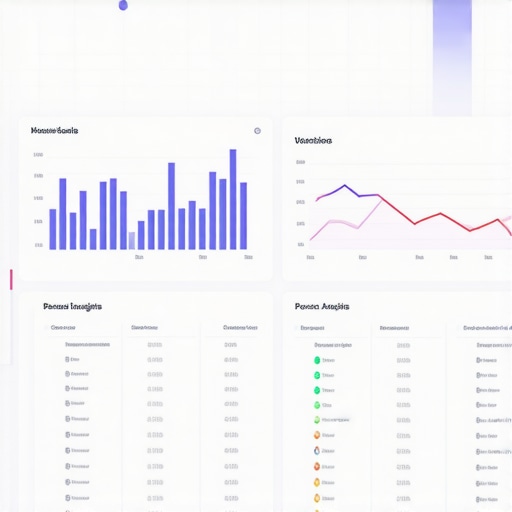
To maintain the accuracy and effectiveness of your analytics setup over time, investing in the right tools and establishing robust processes is essential. I personally rely on a combination of server-side tracking with Google Tag Manager and dedicated bot filtering services like Cloudflare—these allow me to prevent fake traffic from corrupting my data from the outset. Regularly reviewing your tags and triggers ensures they adapt to evolving tracking needs, which is critical as your website or campaigns scale. In addition, implementing an automated audit schedule with scripts that check for discrepancies or sudden data drops can help catch issues before they skew your insights. As trends show, automation and continuous monitoring will be vital in the coming years, especially given the increasing sophistication of bot networks and privacy-aware browsers.
Predictably, the future of analytics lies in predictive modeling and AI-driven anomaly detection. These systems will proactively alert you to irregularities, saving countless hours of manual analysis, and helping you stay ahead of data leaks or inaccuracies. AI can also assist in scaling your efforts by suggesting optimization opportunities based on real-time data analysis, making your long-term strategy more resilient. For example, integrating tools like BounceX or Heap enables you to capture detailed user behavior without heavy manual setup, ensuring your data remains trustworthy as your traffic volumes grow.
How do I maintain my analytics over time? The key is adopting a multi-layered approach—combining technical safeguards, routine audits, and AI-enhanced monitoring. Continuously refine your filters as new types of malicious activity emerge, and always keep your tracking scripts updated to accommodate site changes. Remember, the goal is to keep your data clean, reliable, and insightful—no matter how much your traffic or ecosystem scales.
Start by trying out advanced filtering techniques, such as setting up dynamic IP blocklists tailored to your traffic patterns. This small step can dramatically improve your data quality and make your insights far more trustworthy. For a comprehensive guide on fixing common analytics pitfalls and ensuring your data remains accurate in 2026, explore this resource. With the right tools and habits, you’ll keep your analytics reliable, paving the way for smarter growth and confident decision-making in the years ahead.
What I Wish I Knew When I First Encountered Phantom Visitors
Initially, I believed all traffic was equal, but quickly discovered that not every visitor counts. My first lightbulb moment was realizing that high numbers from suspicious sources can deceive your perception of success. That taught me to focus on authenticity rather than sheer volume, emphasizing the importance of filtering out fake traffic to truly understand your audience.
Another lesson was the significance of technical filters. Implementing IP blocking and user agent filtering isn’t just about reducing noise; it’s about reclaiming your trust in your data. It took time to realize that ongoing maintenance of these filters keeps your analytics honest, ensuring your marketing decisions are built on solid ground.
Finally, I learned that advanced anomaly detection isn’t a luxury but a necessity. The subtle patterns and sudden spikes that machine learning can catch saved me from making costly missteps. Embracing these tools transformed my approach from reactive to proactive, giving me confidence in every decision.
Tools and Resources That Elevated My Data Integrity Game
The foundation of trustworthy analytics starts with the right tools. I rely heavily on server-side tracking with Google Tag Manager—it minimizes client-side errors and increases accuracy. Incorporating services like Cloudflare’s bot filtering has been instrumental in keeping suspicious visitors at bay. These are the cornerstones of my data hygiene routine.
Additionally, I found that implementing advanced analytics platforms that leverage AI for anomaly detection significantly reduce manual oversight. They alert me instantly to irregular patterns, acting like digital security alarms for my data integrity.
If you’re serious about protecting your analytics, consider routine audits—regularly reviewing and updating your filters ensures your data remains pristine even as threats evolve. To streamline this process, resourceful automation scripts have been game changers. Trust me, the time invested now pays dividends when your insights are reliable and actionable.
Your Next Chapter: Trust Begins with Action
Understanding and eliminating ghost traffic isn’t just a technical exercise; it’s a fundamental step in building trustworthy, actionable data that drives meaningful growth. As you refine your filters and incorporate intelligent tools, remember that consistent effort and curiosity are key. The more diligent you are today, the clearer your insights will be tomorrow.
Don’t let phantom visitors undermine your strategic foundation. Start small by auditing your referral sources, then scale up with sophisticated anomaly detection. Your data — and your business — will thank you for it.
Have you ever struggled with distinguishing real visitors from bots? Share your experiences below and let’s learn from each other’s journeys to accurate analytics!
