Why Your Ogden Deck Foundation Might Be Sagging Under New Deckorators Railing
Why Your Ogden Deck Foundation Might Be Sagging Under New Deckorators Railing
As a structural engineer with years of experience in bridge deck replacement and construction inspection, I have seen firsthand how even the most robust-looking structures can fail when the underlying physics are ignored. My name is Matt Ogden, P.E., S.E., and I’ve spent a significant portion of my career ensuring that the infrastructure we walk and drive on is safe. When I transitioned into the world of residential deck consultation in Northern Utah, I noticed a troubling trend: homeowners investing thousands of dollars into a low maintenance deck only to find their foundation sagging or pulling away from the house within two seasons. The culprit? Often, it is the combination of heavy, high-end Deckorators railing systems and a foundation that was never designed to handle the localized loads of modern composite materials.
The dream of a low maintenance deck is a compelling one. We want to spend our weekends enjoying the view of the Wasatch Range, not sanding and staining cedar boards. However, the move from traditional wood to premium systems like composite deck railing or cable deck railing systems changes the structural requirements of your deck entirely. In Ogden, where the geography is as challenging as it is beautiful, these structural requirements are not suggestions – they are necessities for safety and longevity.
The Ogden Factor: Soil, Frost, and Seismic Realities
To understand why your deck might be dipping, we have to look beneath the surface. Ogden, Utah, presents a unique set of challenges for deck foundations. We aren’t just dealing with dirt; we are dealing with a complex interplay of frost depth, seismic activity, and varying soil compositions from the bench down to the valley floor.
The 30-Inch Frost Line
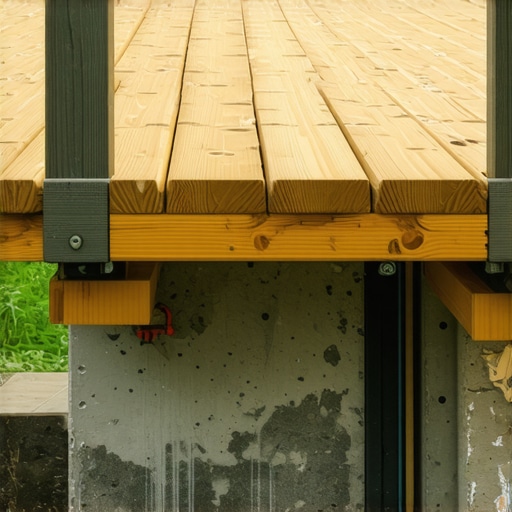
One of the most common mistakes I see in DIY projects and even some “pro” installs found through generic decking near me searches is the use of precast surface blocks. In Ogden, the frost line is strictly defined at 30 inches below grade. When water in the soil freezes, it expands. If your decking footers are sitting on the surface or only 12 inches deep, the “frost heave” will literally lift your deck out of the ground in the winter and drop it in the spring. This constant movement weakens the ledger board connection to your house, leading to the “sag” that many homeowners mistake for board warping.
Seismic Design Categories D, E, and F
Because we live along the Wasatch Fault, Ogden is classified under Seismic Design Categories D, E, or F. From an engineering perspective, this means your deck needs to be able to withstand significant lateral (side-to-side) forces. A heavy deck railing system adds “mass” to the top of the structure. During a seismic event, that top-heavy mass creates a pendulum effect. If your deck foundations aren’t properly anchored and sized, the entire structure can shift or collapse.
Severe Weathering Classification
Utah’s climate is classified as “Severe” for weathering. We have intense UV radiation in the summer and heavy snow loads in the winter. When you add a snow load of 30-50 pounds per square foot (psf) on top of heavy trex deck boards, the total weight pressing down on your decking footers can exceed the bearing capacity of the soil if the footings were sized for a lighter, wooden deck.
Why New Railings Strain Old Foundations
Many homeowners decide to “refresh” an existing deck by replacing old wooden pickets with modern Deckorators products or a timbertech fulton rail. While this significantly boosts curb appeal, it often ignores the physics of the “point load.”
The Weight of Composite vs. Wood
Standard cedar railing is relatively light. In contrast, a high-quality composite deck railing system is dense and heavy. When you choose materials like deckorators venture sandbar or trex decking pebble gray, you are adding significant dead load to the perimeter of the deck. In a deckorators review, you’ll often hear about the incredible durability, but rarely do people mention that this durability comes from material density. That density requires a foundation that won’t compress under the pressure.
The Tension of Cable Railing
Perhaps the most misunderstood upgrade is cable deck railing systems. To keep the cables from sagging and to meet safety codes (the 4-inch sphere rule), each cable must be tensioned to approximately 200 – 300 pounds. If you have 10 cables on a post, that post is experiencing 2,000 to 3,000 pounds of force pulling it inward. Without proper “blocking” and reinforced decking footers at the post locations, this tension will pull the rim joists inward, causing the deck surface to “crown” or the outer edges to sag.
Localized Pressure Points
When we look at deckorators vs trex, both brands offer exceptional products, but they both rely on the same principle: the load must go somewhere. In a traditional deck, the weight is distributed. With modern accessories for deck upgrades – like post-mounted lighting, heavy drink rails, and glass infills – the weight becomes concentrated on the outer rim joist. If your foundation was built using the “minimum” standards of 20 years ago, it simply isn’t equipped for these concentrated loads.
Code Compliance: IRC 2021/2024 and Utah Standards
As a P.E., I live and breathe the International Residential Code (IRC). For anyone building ogden decks, understanding sections R507 and R403 is critical. You can buy all the deck supplies near me you want, but if the math doesn’t check out, the building inspector (or the laws of gravity) will eventually catch up with you.
IRC R507.3: Footing Diameter
The IRC provides specific tables for footing diameters based on the “tributary area” (the amount of deck weight each post carries) and the “load-bearing value” of the soil. In many parts of Ogden, we have clay-heavy soils with lower bearing capacities (around 1,500 psf). If you are installing heavy composite decking, your footing diameter may need to be 18 to 24 inches, rather than the old standard of 12 inches.
IRC R403.1.4: Frost Protection
This code mandates that footings must extend below the frost line. In Ogden, that is 30 inches. I have seen countless “deck fails” where the homeowner bought high-end trex deck boards but tried to save $500 by using shallow footings. This is a “costly mistake.” If the deck begins to sag, you might need ground-penetrating radar to locate the old footings or expensive hydraulic jacks to level the structure before pouring new, compliant decking footers.
The Importance of Permits
When you visit a deck depot, they will sell you the materials, but they won’t pull your permits for you. In Utah, a permit ensures that a local official verifies your foundation plan matches the local seismic and soil requirements. Skipping this step is the fastest way to ensure your best composite decking material investment goes to waste.
Choosing the Right Materials for Stability
Stability isn’t just about the concrete in the ground; it’s about the synergy between the frame, the boards, and the railing. When looking for utah deck supply, you need to think about the total system.
Railings and Framing
If you are installing a timbertech fulton rail, you are choosing a system known for its clean lines and strength. However, the strength of the rail is limited by the strength of the post attachment. I always recommend “through-bolting” railing posts to the frame with tension-tie connectors (like those from Simpson Strong-Tie) rather than just using lag screws. This transfers the railing’s load directly into the floor joists and eventually down to the deck foundations.
Decking Material Weights
When comparing deckorators venture sandbar to trex decking pebble gray, consider the weight per linear foot. Composite decking is significantly heavier than wood. For example, a standard 16-foot composite board can weigh 30-40 pounds, whereas a cedar board might weigh 15 pounds. Over a 400-square-foot deck, that is an extra 1,000+ pounds of “dead load” that your decking footers must support 24/7.
Don’t Forget the Accessories
Modern accessories for deck designs often include built-in kitchens, pergolas, or heavy planters. Each of these adds a “live load” or “dead load” that must be accounted for in the initial engineering. If you’re sourcing from a deck depot, ask about the weight specifications of these items so you can adjust your footing size accordingly.
Solutions: How to Retrofit or Build it Right
If you’ve already noticed a sag, or if you’re planning a new build with Deckorators railing, here is how you ensure your foundation is up to the task.
Helical Piles: The Modern Solution
For existing ogden decks that are sagging, helical piles are a godsend. These are large steel screws that are driven deep into the ground (well past the 30-inch frost line) until they hit load-bearing soil. They can be installed with minimal disruption to your landscaping and can often be used to “jack up” and stabilize a sinking deck.
Poured-in-Place Concrete Footings
For new construction, nothing beats a properly dug, bell-bottom concrete footing. Ensure the hole is 30 inches deep and the bottom is twice as wide as the pier. This “bell” shape increases the surface area, distributing the weight of your composite decking more effectively across the soil.
Structural Blocking
To handle the tension of cable deck railing systems, install solid blocking between the last two joists at every post location. This prevents the rim joist from twisting or pulling inward under the tension of the cables.
Conclusion: Building for the Long Haul
A low maintenance deck is a fantastic investment for any Ogden home, but it is only as good as the foundation beneath it. By understanding the local soil conditions, frost depths, and the physical demands of modern composite deck railing, you can prevent the “sag” and enjoy your outdoor space for decades. Don’t let the beauty of deckorators venture sandbar boards distract you from the structural necessity of deep decking footers.
If you’re ready to start your project, visit ogdendeckdepot.com to find the right composite decking and deck railing systems designed to withstand the Utah elements. Build it right, build it once, and enjoy the view.