How to Tell if a College Station Moving Company Is Actually Local or Just a Lead-Gen Broker
How to Tell if a College Station Moving Company Is Actually Local or Just a Lead-Gen Broker
You sit down at your computer, type movers near me into Google, and are instantly met with dozens of polished websites promising the best rates in the Brazos Valley. They feature photos of smiling families, shiny trucks, and “Local Professional” badges. But as you start making calls, something feels off. The person who answers doesn’t state a company name. The quote they give you is suspiciously low. And when you ask where their warehouse is located, the answer is vague.
Welcome to the “Ghost Mover” epidemic. In the Bryan-College Station area, the digital landscape is increasingly crowded with lead-generation shells – entities that look like local businesses but own no trucks, employ no movers, and have never stepped foot on the Texas A&M campus. These are Brokers, and while they are a legal part of the industry, they operate very differently from Carriers.
A carrier is a company that owns its equipment and employs the crew that carries your sofa. A broker is essentially a call center that sells your moving contract to the lowest bidder. For residents in the Brazos Valley, failing to distinguish between the two can lead to “bait-and-switch” pricing, lost belongings, and zero accountability. This isn’t just a moving industry problem; we’ve seen similar patterns in other sectors, as detailed in our investigation on how to tell if a garage door installer is actually local or just a lead-gen shell. In this guide, we will give you the tools to unmask the brokers and find a legitimate local partner for your move.
The Anatomy of a Lead-Gen Broker vs. a Local Carrier
To protect yourself, you must understand the business models at play. A lead-generation broker is a marketing machine. Their goal is to rank for keywords like movers college station and capture your contact information. Once they have your “lead,” they sell it to a moving company. In many cases, they sell the actual contract to a carrier you’ve never heard of, often at a price so low that the carrier must add “hidden fees” later to make a profit.
On the other side of the coin are the local carriers. These are the businesses with deep roots in the community. When you search for movers college station, you are looking for a team that has a physical office you can visit, a warehouse for storage, and a fleet of branded trucks. These companies are responsible for your move from start to finish. They don’t pass the buck because their local reputation – and their Texas Department of Motor Vehicles (TxDMV) license – is on the line.
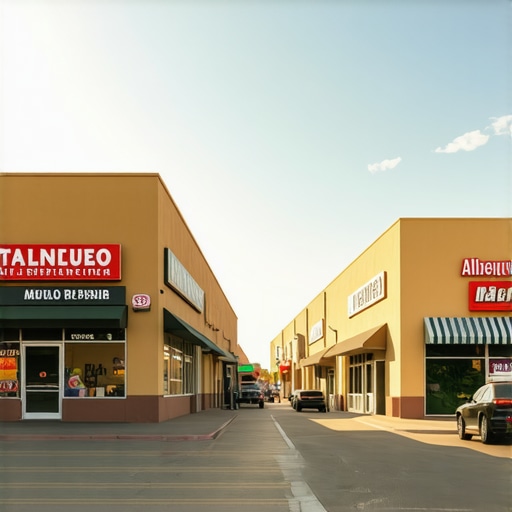
One of the easiest ways to verify a carrier is to look for a physical footprint. A real moving company in our area should have a verifiable location in Bryan or College Station, like the one shown below:
5 Red Flags That Your “Local” Mover is a Lead-Gen Shell
Brokers are experts at deception, but they almost always leave a trail. Here are the five most common red flags that indicate you are dealing with a lead-gen shell rather than a local business.
Flag 1: The Generic “Moving Company” Greeting
When you call a legitimate business, they answer with their name: “Thanks for calling D&D Movers.” A lead-gen broker often operates hundreds of websites simultaneously. When their phone rings, they might not know which “brand” you are calling. To avoid confusion, they use generic greetings like “Moving and Storage” or simply “Moving Services.” If the person on the other end can’t immediately identify the company by its specific local name, hang up.
Flag 2: No Physical Address in Bryan or College Station
Check the “Contact Us” or “Locations” page. If there is no address listed, or if the address provided is a PO Box or a UPS Store, proceed with extreme caution. Some sophisticated brokers will even use residential addresses or “virtual offices” to trick Google Maps. Use Google Street View to look up the address. If it’s a small house in a suburban neighborhood or a strip mall with no warehouse space, they aren’t a carrier; they are a shell.
Flag 3: The “Too Good to Be True” Quote
Brokers win by being the cheapest option on paper. They provide “estimates” over the phone without seeing your home or doing a virtual walkthrough. These quotes are often 30-50% lower than the local average. However, because the broker isn’t the one doing the work, they don’t care if the quote is accurate. This often leads to the “hostage load” scenario where the actual movers demand more money once your items are on the truck. We’ve covered this phenomenon in our look at why your ‘cheap’ San Antonio moving quote often doubles on moving day; the same tactics are used right here in the Brazos Valley.
Flag 4: Lack of a TXDMV Number
In the state of Texas, any company performing for-hire household goods moves must be registered with the Texas Department of Motor Vehicles. Legitimate movers will proudly display their TXDMV number on their website and their trucks. Brokers often lack these credentials because they don’t technically “move” anything. If you can’t find a 10-digit TxDMV number, you are likely dealing with an unlicensed (and uninsured) entity.
Flag 5: No Branded Trucks
A real local mover has invested in their own equipment. Their trucks are rolling billboards for their business. Lead-gen shells and the low-rent carriers they hire often show up in rented U-Hauls, Penske trucks, or entirely unmarked white vans. While a local company might occasionally use a rental during a peak season like Aggie move-out week, a complete lack of branded equipment is a major warning sign.
Why “Local” Matters in the Brazos Valley
Moving in College Station isn’t like moving in a standard suburb. The geography and the culture of the area present unique challenges that a broker in a Florida or California call center simply won’t understand. Local expertise is vital when searching for movers bryan for several reasons:
- The Aggie Calendar: Anyone who lives here knows that late August and late May are chaotic. A local mover knows which streets to avoid during move-in day and how to navigate the gridlock around Kyle Field on game days.
- Complex Layouts: Many of the newer apartment complexes near Northgate or the Wolf Pen Creek area have incredibly narrow access points and strict parking regulations for large vehicles. A local crew knows exactly where to park to avoid a tow and how to navigate three flights of stairs in a specific complex.
- Accountability: If a local mover breaks your television, you know where their office is. You can go talk to the owner. With a broker, you are often stuck in a loop of “not our responsibility” emails while the actual carrier has disappeared.
The Danger of the Disappearing Mover
The risks of hiring a broker go beyond a bad customer service experience. There have been numerous reports, including a high-profile WECT investigation, where families have had their entire households loaded onto a truck, only for the company to vanish. Because brokers often hire the cheapest available labor to maximize their own profit margins, they frequently partner with “fly-by-night” operations that lack proper insurance, background checks, or even permanent business licenses.
This issue is compounded by the way these companies market themselves. They use aggressive SEO tactics to dominate search results, focusing on volume rather than value. This is a common pitfall in the digital age, which we discuss in our article on why your current local SEO automation is generating clicks but zero real phone calls. For a moving company, a “click” is useless if it doesn’t result in a safe, professional move for the customer.
How to Verify a Mover in 5 Minutes
Before you sign a contract or pay a deposit, perform these four quick checks to ensure you are hiring a real local professional.
Step 1: Scrutinize the “About Us” Page
Does the website feature stock photos of generic movers, or does it show real people in the Bryan-College Station area? Look for photos of the team in front of local landmarks or their own warehouse. If every image looks like it came from a professional photoshoot in a different state, it’s a lead-gen site.
Step 2: Look for a Local 979 Area Code
While many businesses use 800 numbers for convenience, a truly local company will almost always have a 979 area code listed as their primary office line. If the only way to contact them is through a toll-free number or a 214/512 (Dallas/Austin) area code, they likely aren’t based here.
Step 3: Search the TXDMV Database
Go to the TxDMV Truck Stop database and search by the company name. This will tell you if they are active, if they have insurance on file, and where their principal place of business is located. If they aren’t in the database, do not let them touch your belongings.
Step 4: Check Local Community Groups
Platforms like the “Bryan-College Station Community Connect” on Facebook are invaluable. Ask for recommendations. Real local companies will have dozens of residents ready to vouch for them. Brokers, meanwhile, will have a trail of complaints or no local footprint at all. When you’re ready to hire, choosing a verified professional through movers near me ensures you’re working with someone vetted by your neighbors.
Conclusion: Don’t Let Your Move Become a Horror Story
Moving is stressful enough without the added fear of being scammed by a digital middleman. While lead-gen brokers are legal, their business model is designed to prioritize their commission over your peace of mind. They thrive on the “bait and switch,” offering low initial quotes and then distancing themselves when things go wrong.
By taking five minutes to verify a company’s TXDMV status, checking for a physical 979 address, and insisting on seeing branded equipment, you can protect your family and your finances. Don’t settle for a “ghost mover.” Choose a company with deep roots in the Brazos Valley – one that will be here long after the moving truck pulls away.
For more tips on navigating the complexities of the moving industry, read our guide on 5 things San Antonio moving companies hope you don’t check in their quotes to see the common tricks used across the state.